

-
Auspicious Dragon Songjin Brocade Bag — Handwoven in Suzhou
常规价格 $99.00 USD常规价格$168.00 USD促销价 $99.00 USD促销 -
Celestial Horse Songjin Brocade Bag — Handwoven in Suzhou
常规价格 $99.00 USD常规价格$168.00 USD促销价 $99.00 USD促销 -
Endless Vase Songjin Brocade Bag — Handwoven in Suzhou
常规价格 $99.00 USD常规价格$168.00 USD促销价 $99.00 USD促销 -
Fortune Phoenix Songjin Brocade Bag — Handwoven in Suzhou
常规价格 $99.00 USD常规价格$168.00 USD促销价 $99.00 USD促销 -
Imperial Treasures Songjin Brocade Bag — Handwoven in Suzhou
常规价格 $99.00 USD常规价格$168.00 USD促销价 $99.00 USD促销 -
Pomegranate Bloom Songjin Brocade Bag — Handwoven in Suzhou
常规价格 $99.00 USD常规价格$168.00 USD促销价 $99.00 USD促销 -
Ruyi Dragon Clouds Songjin Brocade Bag — Handwoven in Suzhou
常规价格 $99.00 USD常规价格$168.00 USD促销价 $99.00 USD促销

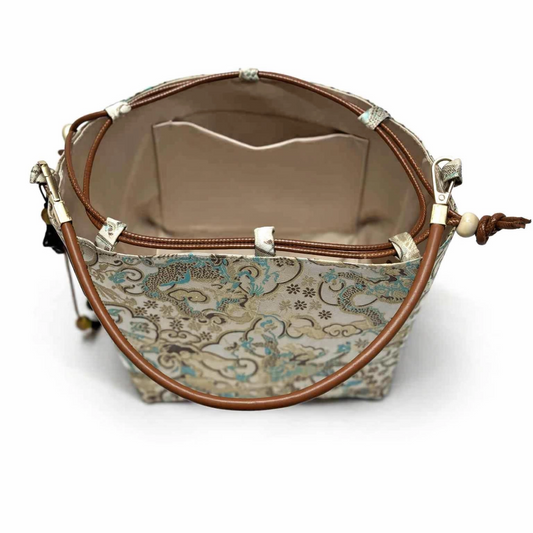

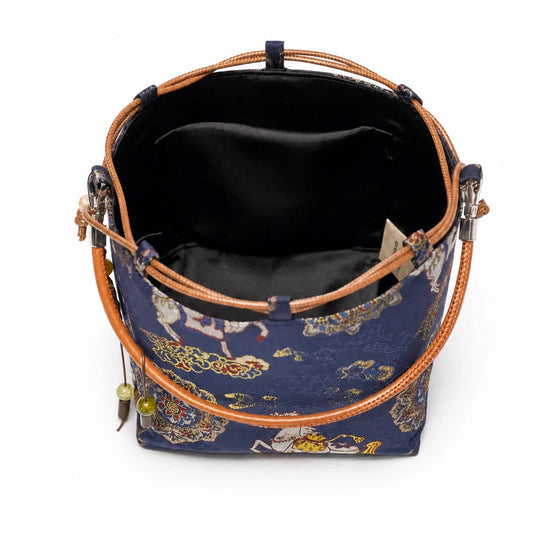

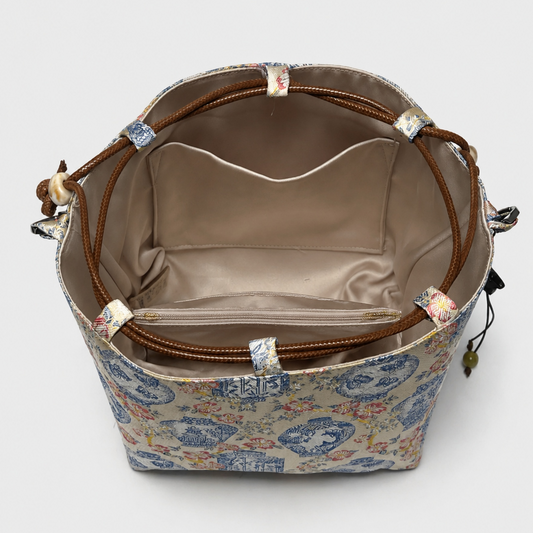

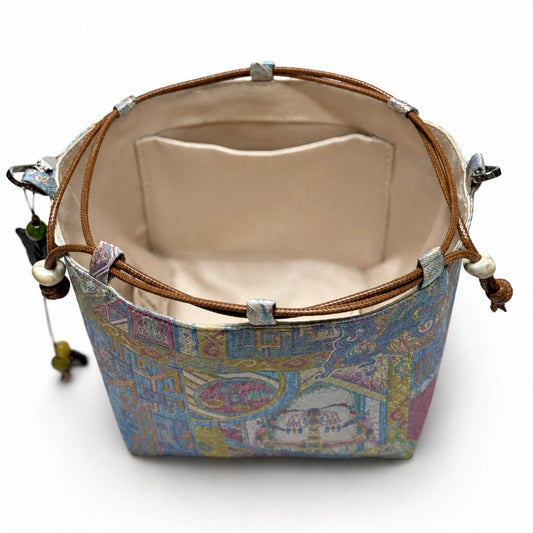

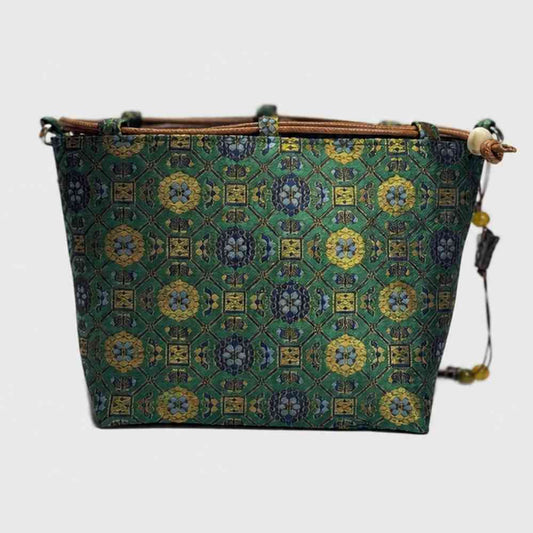

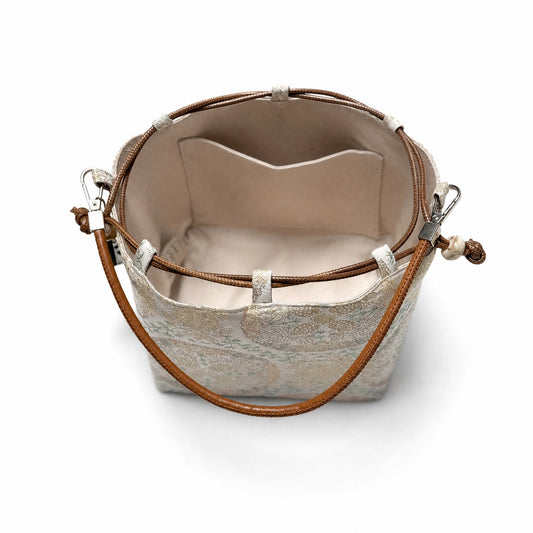

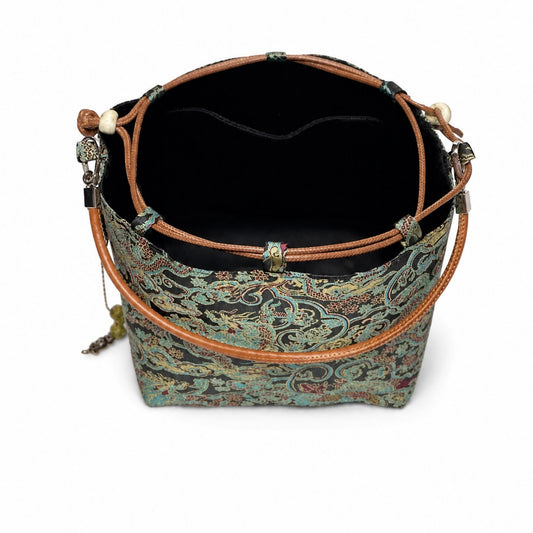
One Bag. 14 Weaves.
Same silhouette. Different Songjin brocade patterns. Each one tells a chapter of a thousand-year tradition.
The Brocade That Outlived Dynasties
In Suzhou, China, a weaving tradition has been passing down its secrets for a thousand years. Songjin is not printed. It is woven — thread by thread, on hand-operated looms. The pattern goes all the way through the fabric. Turn the bag inside out — you'll see it there too.
We turned this textile into a bag. One that holds its shape, catches light from every angle, and earns its place in your wardrobe.
Read the StorySongjin Brocade
One of China's Four Great Brocades. The pattern is woven through, not printed on — so it cannot peel, fade, or wear out.
100% Mulberry Silk
From silkworm to loom. Pure mulberry silk, hand-dyed using traditional techniques. This is the raw material; the craft is Songjin.
Handwoven in Suzhou
Master artisans working on hand-operated looms for over 1,000 years. Each piece is subtly one of a kind.
Woven, Not Printed. That's The Difference.
Songjin is a brocade — a textile where the pattern is the weave. Think of it like Harris Tweed or Japanese denim: the pattern goes all the way through the fabric. It doesn't sit on the surface.
This means your bag won't peel, fade, or show wear where it folds. The pattern is not a coating. It is the fabric itself.
Run your hand across a Songjin bag. You can feel the geometry of the weave. Tilt it in the light — the raised threads catch the sun differently from the recessed ones.
This is not printed flatness. This is woven dimension.
Follow the Weave
@nookmood
Instagram feed will appear here once connected.